
UK Clothing Prices Turn Negative as October Inflation Data Reveals a Changing Retail Picture
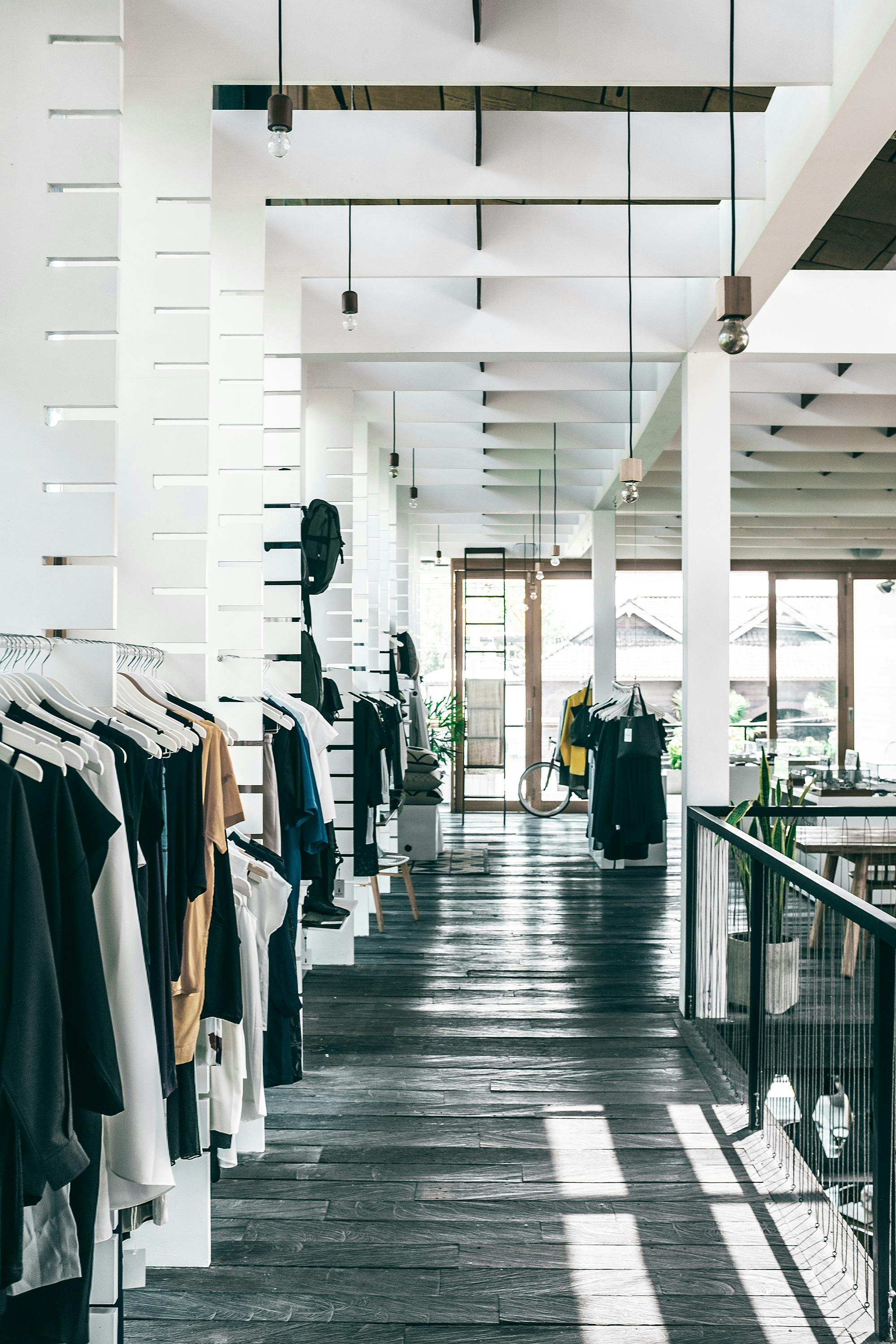
Clothing has become one of the few areas of the British household budget where the latest official inflation figures show prices moving in the opposite direction to the wider cost of living. New data released by the Office for National Statistics on Wednesday, 18 November, showed that UK clothing and footwear prices were 0.5% lower in October than a year earlier.
The change is notable because the annual rate for the category stood at 0.1% in September. The October figures therefore point to a return to negative annual price growth, even as the wider Consumer Prices Index rose to 3.6% from 3.5%. The figures offer a useful snapshot of the pressures facing shoppers and fashion businesses as the Christmas trading period approaches.
What the latest figures mean for fashion shoppers
The ONS also recorded a 0.4% monthly increase in clothing and footwear prices in October. That is slower than the 1.0% rise recorded in October 2025. The distinction matters: a negative annual rate does not mean every item has become cheaper, nor does it mean prices fell between September and October. It means the overall measured price level was lower than it was twelve months earlier.
For shoppers, this may create opportunities to compare prices across retailers, particularly during the run-up to seasonal promotions. However, the figures should not be treated as a promise of cheaper winter coats, footwear or occasionwear in every shop. Individual prices vary according to brand, product range, stock levels and discounting decisions.
Retailers face a complicated trading environment
Fashion retailers are entering a crucial sales period while consumers continue to manage higher costs elsewhere. Transport prices made the largest upward contribution to the latest annual inflation movement, according to the ONS. That leaves households balancing the price of everyday essentials against discretionary purchases such as clothing.
Lower measured clothing inflation may help retailers communicate value, but it can also place pressure on margins if businesses rely heavily on promotions. The challenge is to offer attractive prices without training customers to wait for discounts before buying.
Value, quality and timing matter
For shoppers, the most useful approach is to compare the full value of an item rather than focusing on a headline percentage reduction. Fabric quality, durability, repairability and the likelihood of wearing a garment regularly can matter more than a temporary discount.
The latest ONS release does not identify why clothing prices changed, so it would be misleading to attribute the movement to one particular retailer or trend. What it does show is that fashion prices are behaving differently from several other household spending categories.
What to watch next
The next inflation release will help establish whether the October movement continues or proves temporary. For now, the data provide a timely indication that clothing and footwear are offering a different price picture from the wider British economy as retailers prepare for the busiest shopping weeks of the year.
Sources: Office for National Statistics: Consumer price inflation, UK, October 2026.
Image credit: Maria Orlova / Pexels. Illustrative stock photograph.